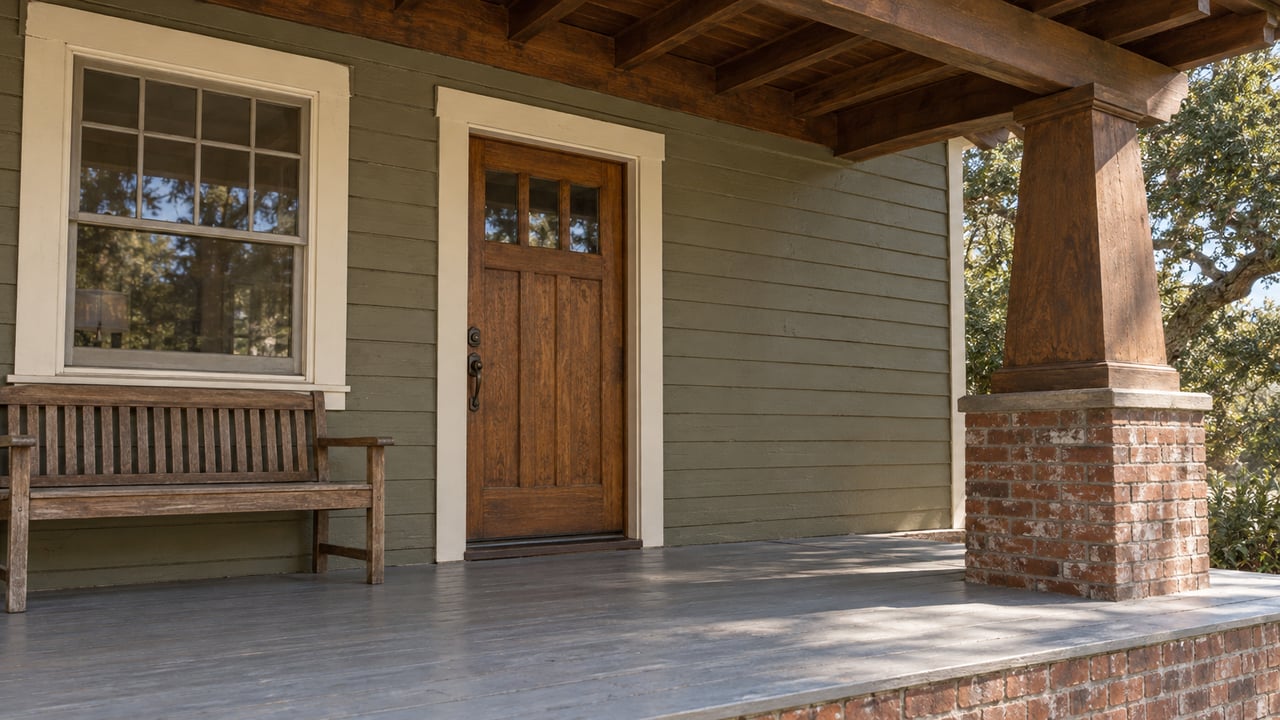
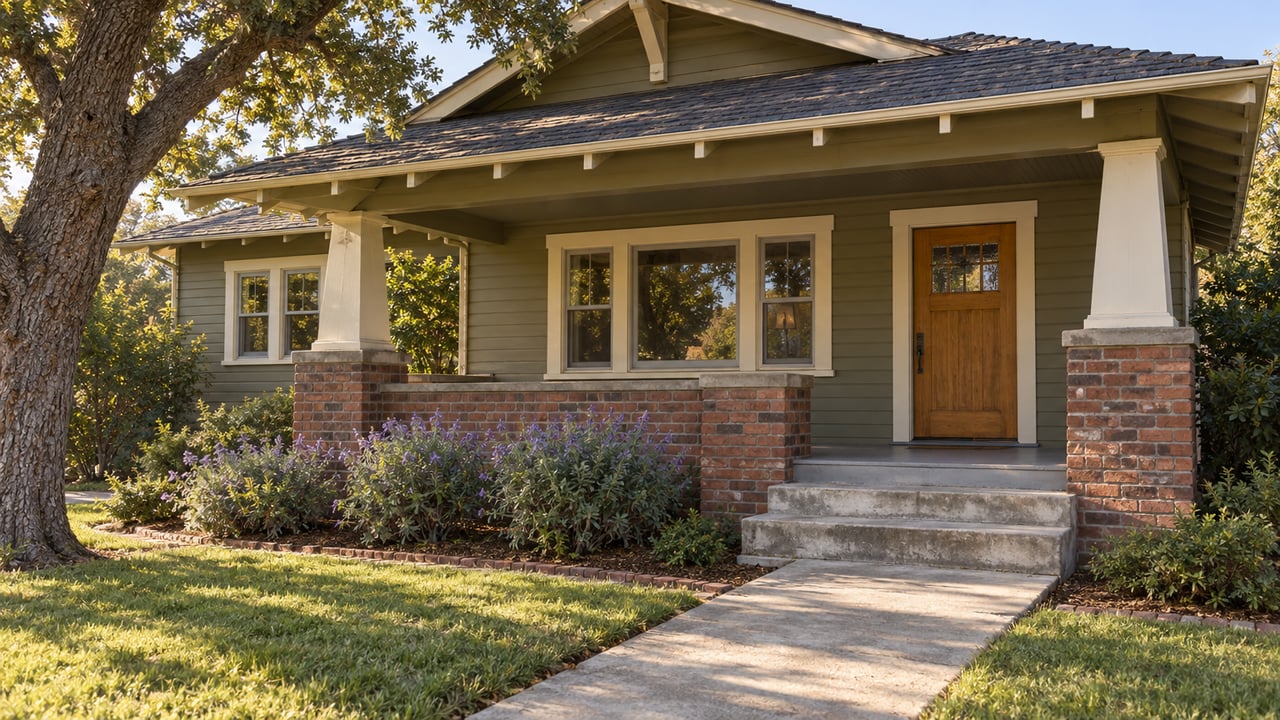
Picture two Craftsman bungalows in Garvanza, listed within a few thousand dollars of each other. They have similar square footage, similar deep eaves and similar original built-ins. One has a Mills Act contract recorded against its title and the other does not. The two can come with very different property tax bills. And if you buy the second house planning to apply for a contract yourself, the City of Los Angeles isn't currently taking applications.
That is the real situation in Highland Park this fall. A buyer who loves the neighborhood's historic housing should understand it before writing an offer, because the most important line item may not be on the listing.
The door closed in 2020 and is still closed
According to the Los Angeles County Assessor, the Mills Act is a state law from 1972. It lets cities sign contracts with owners of qualifying historic buildings: the owner commits to preserving and maintaining the property, and in return may get a reduced property tax assessment. Los Angeles has used it as its main financial incentive for historic preservation since 1996.
In 2020, City Planning paused the program to study whether it was financially sustainable and fair. According to the Los Angeles Conservancy, the City hasn't accepted a new contract since. City Planning's Mills Act application page still reads "New Applications Temporarily on Hold." It gives no restart date. It only says the department plans to bring ordinance amendments to the City Council. The department's program assessment page says staff are still refining recommendations for the Cultural Heritage Commission. That work is happening against the backdrop of the City's fiscal year 2025-26 budget problems.
That leaves a fixed supply. Citywide, the City's March 2025 draft policy document counted 947 contracts. The Highland Park–Garvanza Historic Preservation Overlay Zone had 69 of them in the City's June 2022 assessment, the most of any HPOZ. That still works out to a participation rate of only 1%, because the zone has so many eligible properties. So the neighborhood has more of these contracts than anywhere else in the city, and they are attached to only a small share of its historic homes.
Contracts survive a sale. City Planning says they "are transferred to new owners when the property is sold."
What happens to the tax bill when the house sells
When a California home sells, the purchase generally sets a new Proposition 13 base year value. Mills Act homes go through that step too. The State Board of Equalization's guidance to assessors says a new base year value should be set as of the date ownership changes. What's different is what comes next.
Every year, the Los Angeles County Assessor works out three numbers for each Mills Act property and enrolls the lowest one:
- The restricted value. This is based on income and calculated with a capitalization rate set by state law.
- The current market value.
- The factored base year value. This is the Prop 13 figure, which resets at the sale and then rises with the annual inflation factor.
For an owner-occupied home, City Planning's program brief explains that the income figure comes from comparable rents, and the assessed value is that income divided by a capitalization rate.
The restricted value also changes from year to year. The Assessor recalculates it annually and notes that Mills Act owners "may undergo increases or decreases in property taxes each year as market conditions change." Existing contract holders typically get their value notice in May. Treat the seller's current tax bill as a snapshot of one year. It isn't a promise about future bills.
What you take on along with the savings
The State Office of Historic Preservation says successor owners have the same rights and obligations as the original owner. The City's sample contract shows what those obligations usually include. Each recorded contract has its own property-specific terms, though, so read the one attached to your house.
| What the contract involves | What the City's sample contract says |
|---|---|
| Work plan | The owner follows a property-specific plan for rehabilitation, restoration and maintenance |
| Inspections | The owner allows reasonable examinations before a new contract and every five years after that |
| Recording | The agreement is recorded with the County Recorder and runs with the land |
There is also a newer annual cost. According to the Los Angeles Conservancy, the City Council approved an annual fee structure on December 20, 2025, effective February 23, 2026. For now it applies only to contracts signed after 2014, which comes to 246 contracts. The fee ordinance text sets a base tier of $675 for residential properties with one to four units. It also adjusts fees each year for inflation, with an adjustment that took effect July 1, 2026, so the amount billed now may be different.
The HPOZ rules sit underneath the contract
City Planning's Mills Act program brief defines a qualified historic property in Los Angeles as a locally designated Historic-Cultural Monument or a contributing property in an approved HPOZ. In Highland Park, that usually means the Highland Park–Garvanza Preservation Plan. The plan was adopted December 9, 2010, and covers Garvanza, Highland Park, Montecito Heights and Mount Angelus. Every buyer of a contributing home lives under these rules, contract or no contract. A Mills Act work plan adds obligations on top of them.
The rules themselves may change
City Planning's March 2025 draft proposals would substantially change the program. They include stronger compliance enforcement, prioritizing new applications from lower-resource areas, and "non-renewal of existing contracts based on geographic equity considerations or length of time a contract has been in effect." These are proposals, not adopted law. The Conservancy reports that many of them were put on hold because of the FY 2025-26 deficit. City Planning's FAQ says reopening to new applications will take more staff and budget.
This cuts two ways. If the City reopens applications, the house without a contract could eventually qualify. If non-renewal proposals move forward, an older contract could start phasing out. Neither has happened.
A proposed public list
City Planning's draft proposes a public online list of Mills Act properties.
Quick answers
Can I apply for a Mills Act contract after I buy? Not in the City of Los Angeles right now. New applications are on hold, with no restart date posted.
Does the seller's tax bill tell me what mine will be? Not exactly. The Assessor recalculates the restricted value every year, and it can go up or down.
Is every historic house in Highland Park covered? No. In June 2022, the Highland Park–Garvanza HPOZ had 69 contracts, a 1% participation rate.
All of this is general information, not legal, tax or financial advice. Please confirm how a specific contract and assessment would work for you with the County Assessor, City Planning, and a qualified tax professional or attorney.
If there's a Highland Park house you love and the title report turns up a Mills Act contract, I'd be glad to talk about offer strategy with you before you commit. Kristin Fox has spent more than 20 years helping buyers figure out what comes with a character home. Let's Connect.